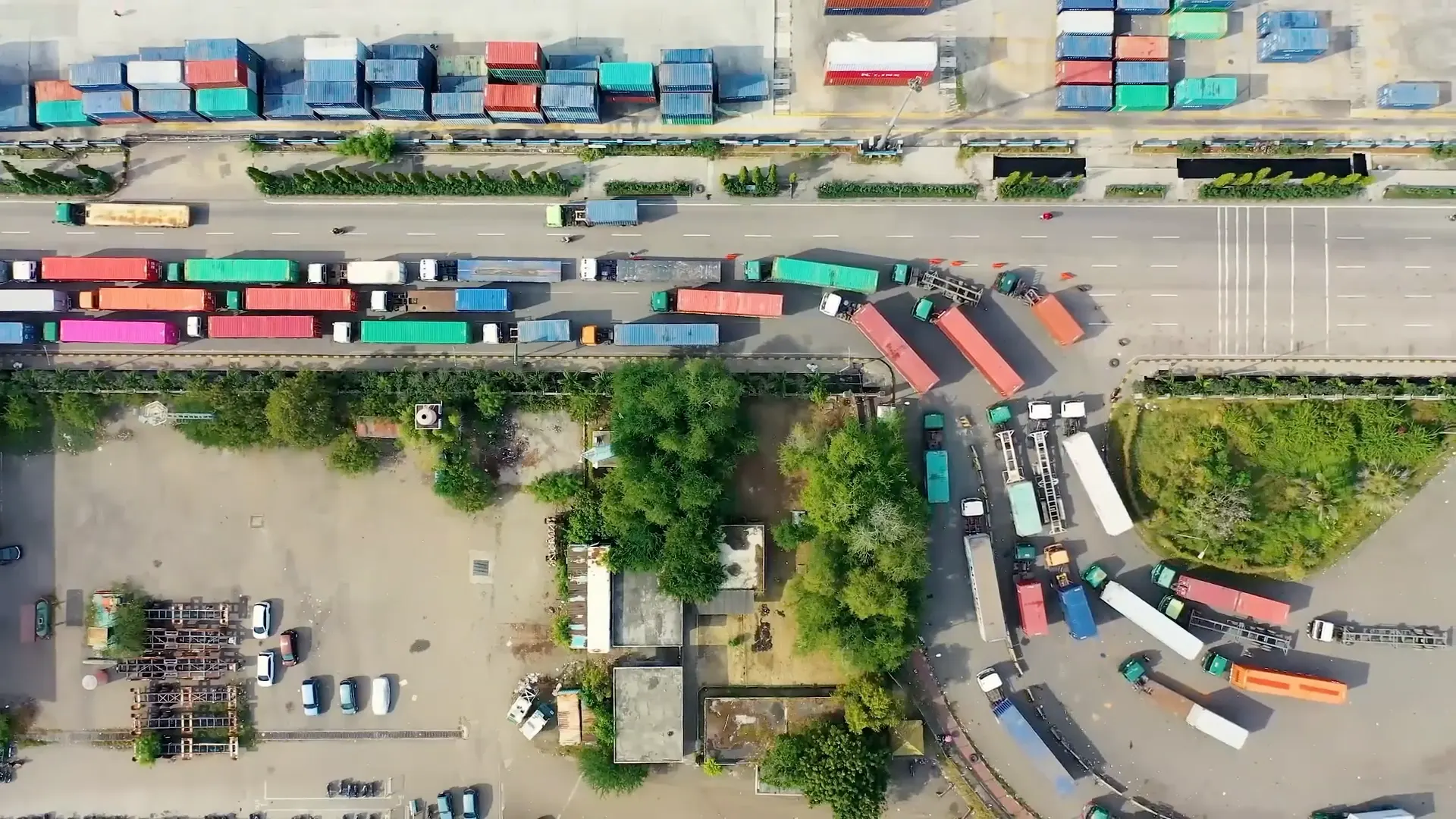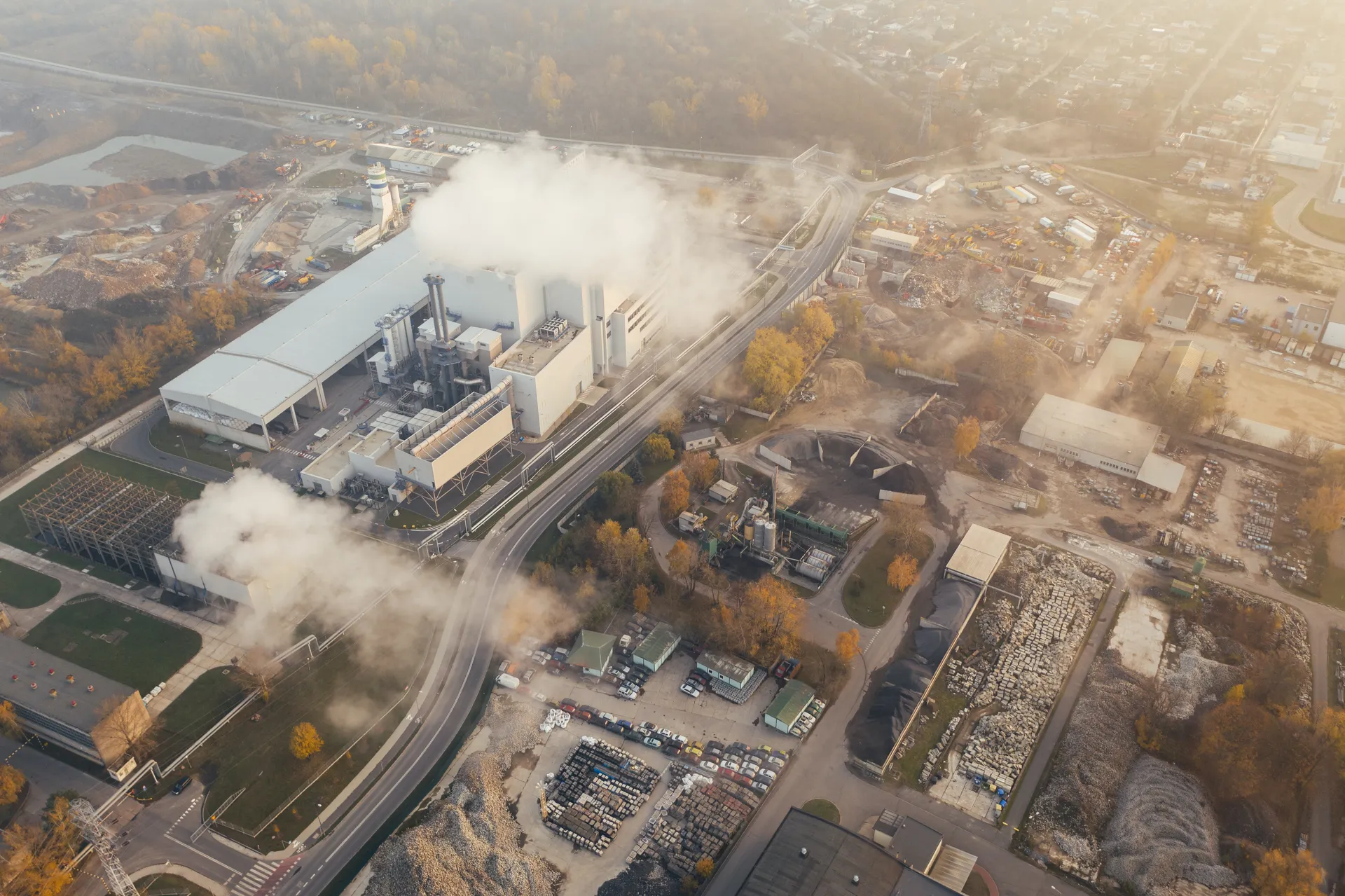

Sustainable logistics and supply chain management are becoming increasingly important as businesses respond to rising environmental awareness, changing customer expectations, and tighter environmental regulations.
At the heart of this shift is the need to make the movement of goods and services more sustainable without losing sight of operational and commercial performance.
What Is Sustainable Logistics and Supply Chain?
At its core, Sustainable Logistics and Supply Chain refers to managing the flow of goods and services, from raw material sourcing to final delivery, in a way that minimizes environmental impact while maximizing social and economic benefits.
Essentially, it means making the entire journey of a product or service as sustainable as possible. This involves:
The Benefits of Sustainable Logistics and Supply Chain
Adopting sustainable practices can benefit businesses, the environment, and society.
Reduced Environmental Impact
Lowering carbon emissions, conserving resources, and minimizing waste contributes to a healthier planet.
Cost Savings
Optimizing logistics, energy use, and waste management can reduce operating costs.
Operational Efficiency
Sustainability initiatives often identify inefficiencies and improve processes.
Supply Chain Resilience
Diversified sourcing and reduced dependence on fossil fuels can strengthen resilience.
Sustainable practices can also improve brand reputation, strengthen investor confidence, help businesses respond to regulatory requirements, and support the attraction and retention of talent.
"Sustainable logistics is not only about reducing environmental impact; it is about building a more efficient, resilient, and responsible business."
Key Strategies for Achieving Sustainability in Logistics and Supply Chain
Implementing sustainable logistics requires a comprehensive and integrated approach.
Challenges in Implementing Sustainable Logistics and Supply Chain Practices
The transition is not without challenges.
Upfront Cost
Sustainable technologies and practices can require significant initial investment.
Complexity
Multiple stakeholders make supply chain-wide changes difficult to coordinate.
Data Availability
Accurate environmental and social data can be difficult to obtain.
Standardization
Different metrics and reporting frameworks can make comparison difficult.
Businesses may also encounter resistance to change and the additional complexity of managing sustainability across global supply chains with different regulations and standards.
Case Studies of Companies Leading in Sustainable Logistics and Supply Chain
Several companies demonstrate how sustainability can be integrated into business operations:
These examples show that business performance and environmental sustainability can be pursued together.
The Future of Sustainable Logistics and Supply Chain
Technology and changing consumer expectations are likely to continue shaping the sector.
Conclusion
Sustainable logistics and supply chains are no longer optional considerations for businesses seeking long-term resilience. By adopting sustainable practices, companies can reduce environmental impact, improve operational efficiency, strengthen their reputation, and improve their bottom line.
The transition toward a more sustainable and responsible supply chain is a fundamental change in how businesses operate. Companies that embrace this shift can help shape a more resilient business environment and a more sustainable future.