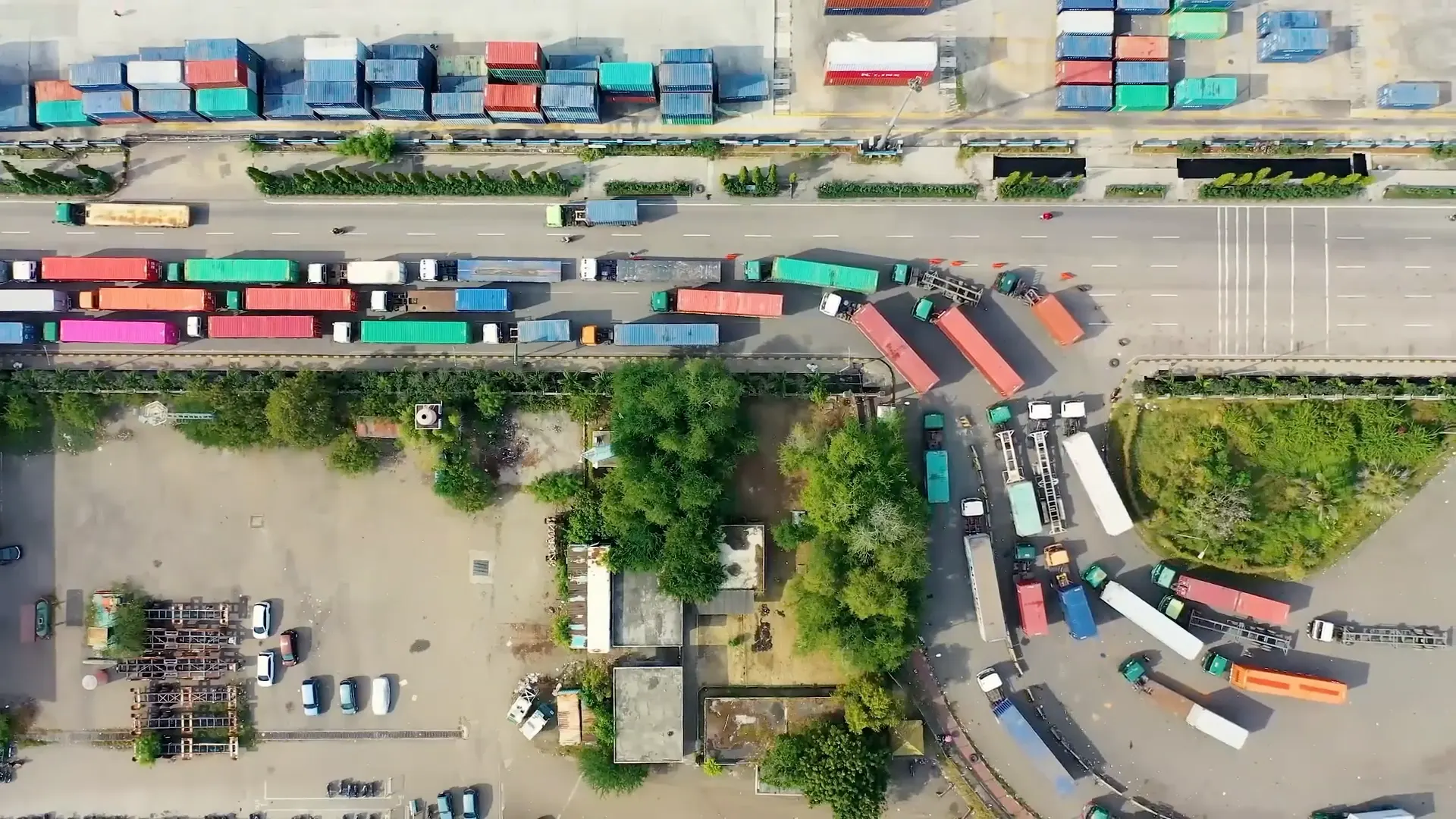

Businesses are under increasing pressure to understand their environmental impact. Emissions tracking provides the data needed to measure greenhouse gas emissions, identify major sources of pollution, and create a practical path toward reduction.
What Is Emissions Tracking and Why Does It Matter?
Emissions tracking is a business's way of measuring the greenhouse gases generated by its activities. These emissions can come from factories, offices, electricity consumption, vehicles, and other operational activities.
If an organization does not measure its emissions, it has limited ability to manage or reduce them. Tracking therefore provides the baseline for a serious climate action strategy.
"You cannot effectively manage what you cannot measure. Emissions tracking provides the baseline for credible reduction planning."
How Emissions Tracking Supports ESG Objectives
ESG stands for Environmental, Social, and Governance. Emissions tracking directly supports the environmental component while also contributing to broader governance and risk-management objectives.
Environmental
Measuring the corporate carbon footprint provides evidence of environmental performance and progress.
Social
Lower pollution can contribute to healthier communities and a more responsible operating model.
Governance
Transparent emissions data demonstrates structured management of long-term climate and regulatory risks.
Business emissions tracking also provides the data needed to demonstrate progress against corporate sustainability goals and support ESG compliance.
Why Emissions Tracking Is Key to Net-Zero Strategies
Net zero requires businesses to balance the greenhouse gases they release with the amount they remove from the atmosphere. Reaching that objective requires a measurable starting point and a plan.
From Baseline to Net Zero
Measure current emissions to create a baseline.
Identify major sources such as factory energy, fleet fuel, or building electricity.
Focus reduction efforts where the greatest impact can be achieved.
Track whether initiatives such as renewable energy or efficiency improvements are actually working.
Use measured results to support transparent carbon disclosure and stakeholder communication.
For businesses with significant vehicle operations, the source specifically identifies fleet management solutions as one way to improve fuel efficiency or support a transition toward electric vehicles.
What Are the Business Benefits of Emissions Tracking?
Emissions tracking can provide direct business benefits alongside environmental ones.
Cost Savings
Reducing energy and fuel consumption can lower both emissions and operating costs.
Reputation
Demonstrable sustainability performance can strengthen brand perception and customer relationships.
Talent
Sustainability commitments can help attract and retain employees who value responsible business practices.
Risk Reduction
Tracking emissions helps businesses prepare for emerging climate-related regulations.
Investor Confidence
Investors increasingly consider ESG performance when assessing companies.
What Tools and Technologies Make Emissions Tracking Possible?
Modern technology can reduce the manual effort required to collect and interpret emissions information.
Key tools include:
What Steps Should Businesses Take to Start Tracking Emissions?
Starting an emissions tracking program can be approached systematically.
A Practical Starting Process
Establish leadership support for the program.
Define the desired emissions reduction or net-zero objective.
Select software or services appropriate to the organization's size and needs.
Gather information on energy, waste, water, travel, fuel, and other relevant activities.
Identify major emissions sources and define reduction actions.
Share progress with relevant stakeholders to build transparency and trust.
What's the Future of Emissions Tracking in Business?
The source identifies four major developments:
Conclusion
Emissions tracking is becoming a fundamental part of responsible business management. By measuring, understanding, and reducing their corporate carbon footprint, businesses can support ESG objectives, work toward net-zero goals, identify operational savings, manage regulatory risk, and strengthen stakeholder trust.
The companies that build reliable emissions data and turn it into practical action will be better prepared for an increasingly carbon-conscious business environment.